
International language education has always been about much more than learning a language.
For students, it can mean leaving home for the first time, meeting people from different countries, discovering another culture and becoming more independent. For teachers and schools, it means creating an environment where education, travel and human relationships come together.
But behind every language stay there is also a complex network of people and responsibilities: teachers, accommodation providers, group leaders, schools, agents, transport companies and local partners.
And perhaps this is something that is easy to forget when everything goes well.
A changing international education sector
Recent developments in the international language education sector have reminded us how important the organisational side of an educational experience can be.
In Ireland, for example, the sector has recently faced significant pressure related to changes in the international student and visa environment. English Education Ireland reported that the refusal rate for English-language study visa applications increased substantially, while the sector was also dealing with broader structural and market changes.
In August 2026, the Irish High Court heard evidence concerning Erin College and Limerick Language Centre, including difficulties connected with student refunds following visa refusals. In the case of Erin College, its director stated that visa refusals had increased from 33 in 2023 to 456 in 2025, creating significant cash-flow pressure.
These situations are specific to the organisations and circumstances involved. They are not a reason to question international education as a whole. Quite the opposite: they are an opportunity to think more carefully about what makes an educational experience sustainable and trustworthy.
Because when a student pays for a programme months in advance, what are they really paying for?
A classroom, of course.
But also for the people behind it.
What happens behind the programme?
A language stay may look simple from the outside:
A student arrives.
They attend lessons.
They visit places.
They return home.
In reality, there may be dozens of decisions behind those few lines.
Who welcomes the student?
Who knows where they are staying?
Who speaks to the teacher if something changes?
Who organises the excursion?
Who contacts the accommodation provider?
Who helps when a train is cancelled?
Who knows the students personally rather than simply having their names in a booking system?
And perhaps most importantly:
Who takes responsibility for the whole experience?
These questions become particularly important when working with young students, school groups and international partners.
Perhaps smaller can sometimes mean closer
International education does not necessarily need to become bigger to become better.
There is something valuable in knowing the people you work with.
Knowing the teacher leading a group.
Knowing the students who are arriving.
Knowing the accommodation provider.
Knowing the local guide.
Knowing the person who can be called when something unexpected happens.
There is also value in being close enough to adapt.
A programme designed months in advance will inevitably encounter changes. A student may need additional support. Weather may change an excursion. A group may have different needs from those originally expected.
The ability to respond is not always found in a larger organisation.
Sometimes it comes from simply knowing who to call.
Education is also a relationship
For an international student, the quality of a programme is not measured only by the number of lessons or the number of activities included.
It is also measured by how welcome they feel.
By whether they can ask a question.
By whether their teacher knows their name.
By whether someone notices when something is not quite right.
And by what they remember when they return home.
This is particularly true when language learning takes place abroad.
A language is not really learned only from a textbook.
It is learned while ordering a coffee, speaking to a host family, asking for directions, visiting a museum, playing sport, travelling by train or simply having a conversation with someone from another generation or another country.
The destination becomes part of the classroom.
This is the idea behind Esperienza Toscana
At Accademia Leomilla, this approach has developed naturally through our work with international students and groups coming to Tuscany.
Esperienza Toscana was created around a simple idea: studying a language should also mean experiencing the place where that language is spoken.
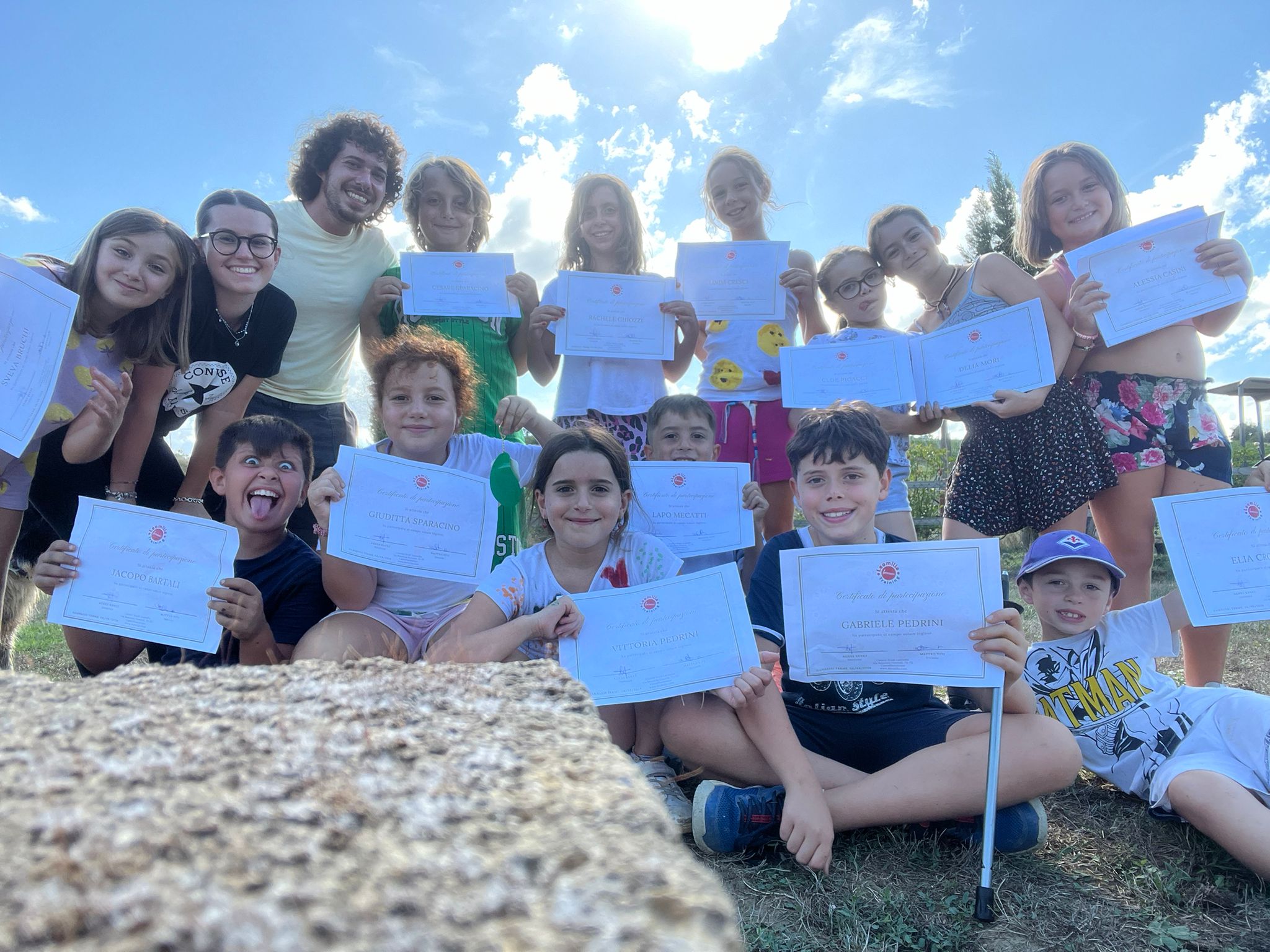
Our students study Italian and English, but they also meet local people, visit cultural sites, discover Tuscany, take part in activities and experience everyday life in a real Italian town.
The programme is based in Castelfiorentino, a small Tuscan town where international students can experience a different side of Italy — away from the feeling of simply being visitors in a large tourist destination.
Here, the people organising the programme are also the people who meet the students.
The school, the teachers, the local activities and the territory are closely connected.
And perhaps that is one of the most important things we have learned.
A good international programme is not simply a collection of services. It is a network of relationships that works.
What should schools, teachers and families ask?
Perhaps the recent changes in the sector give us a useful opportunity to ask better questions.
Not simply:
How much does the programme cost?
But also:
Who will actually be looking after our students?
How easily can we communicate with the people responsible?
What happens if plans change?
How is accommodation managed?
Who is available during the stay?
How closely does the programme connect education with the local community?
Is there a real relationship between the school and its international partners?
And perhaps the simplest question of all:
Would we feel comfortable sending our own students there?
These are not questions with one universal answer.
But they are worth asking.
A different way of building international education
At Accademia Leomilla, we believe that international education works best when it remains personal.
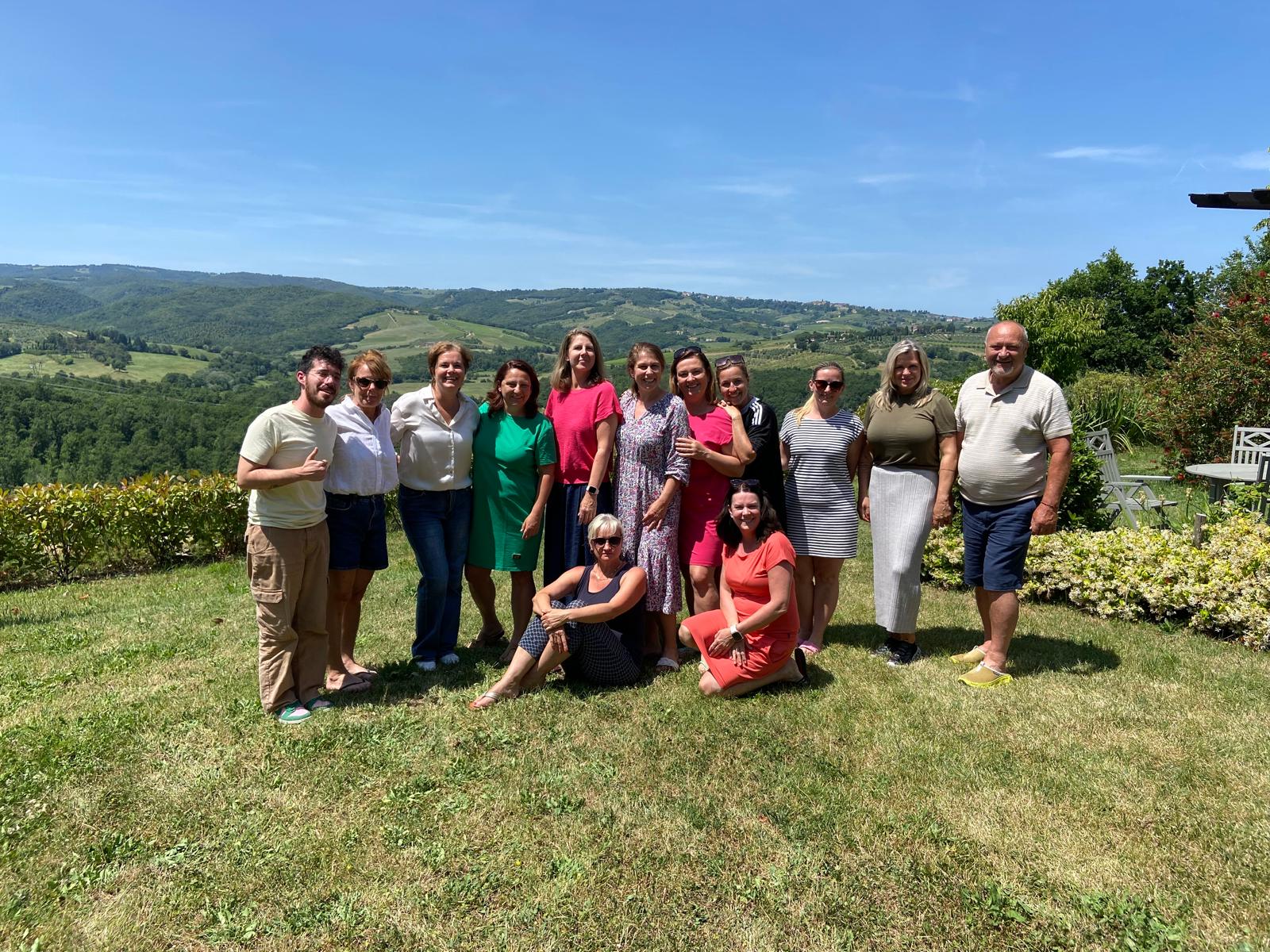
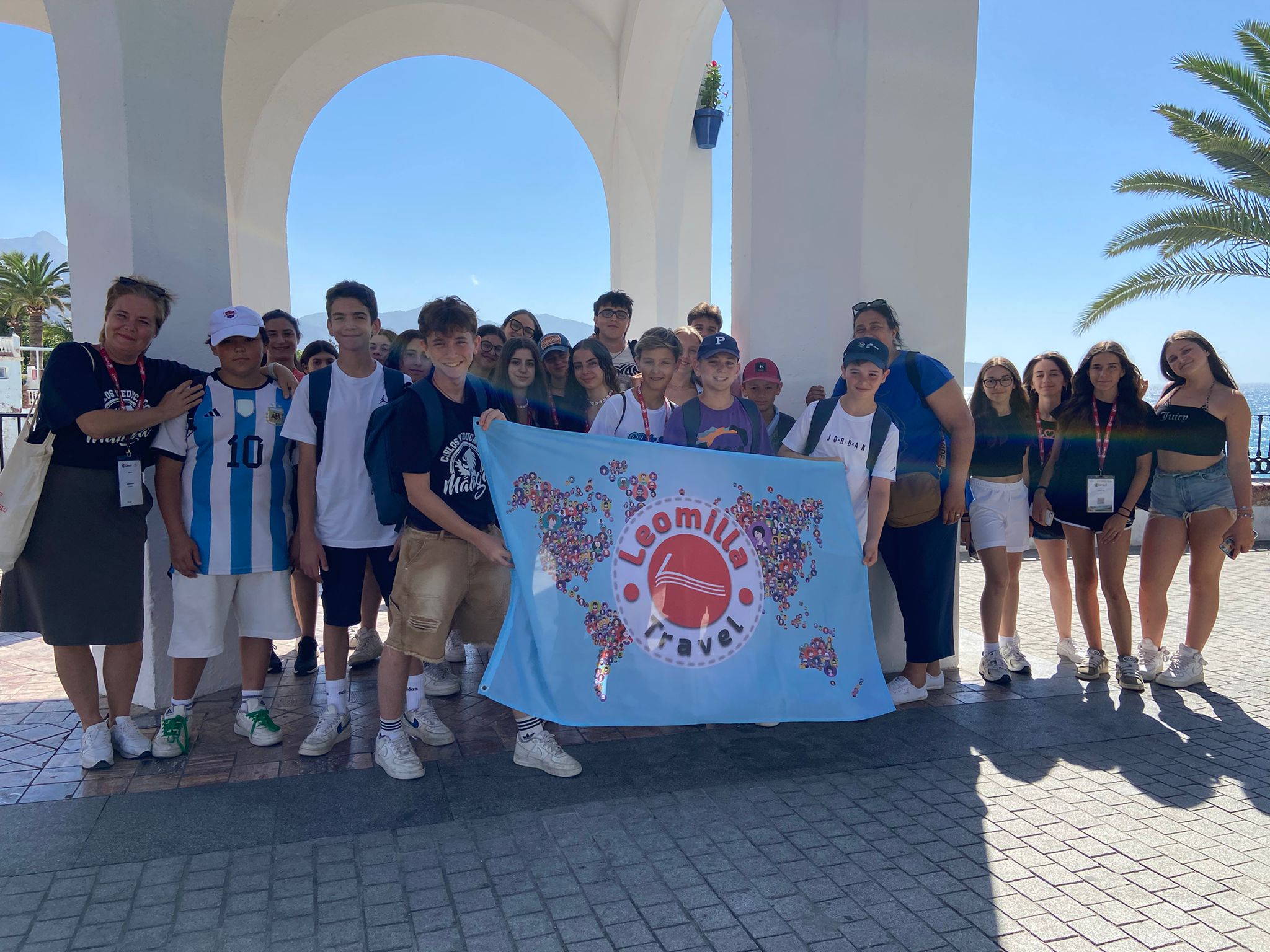
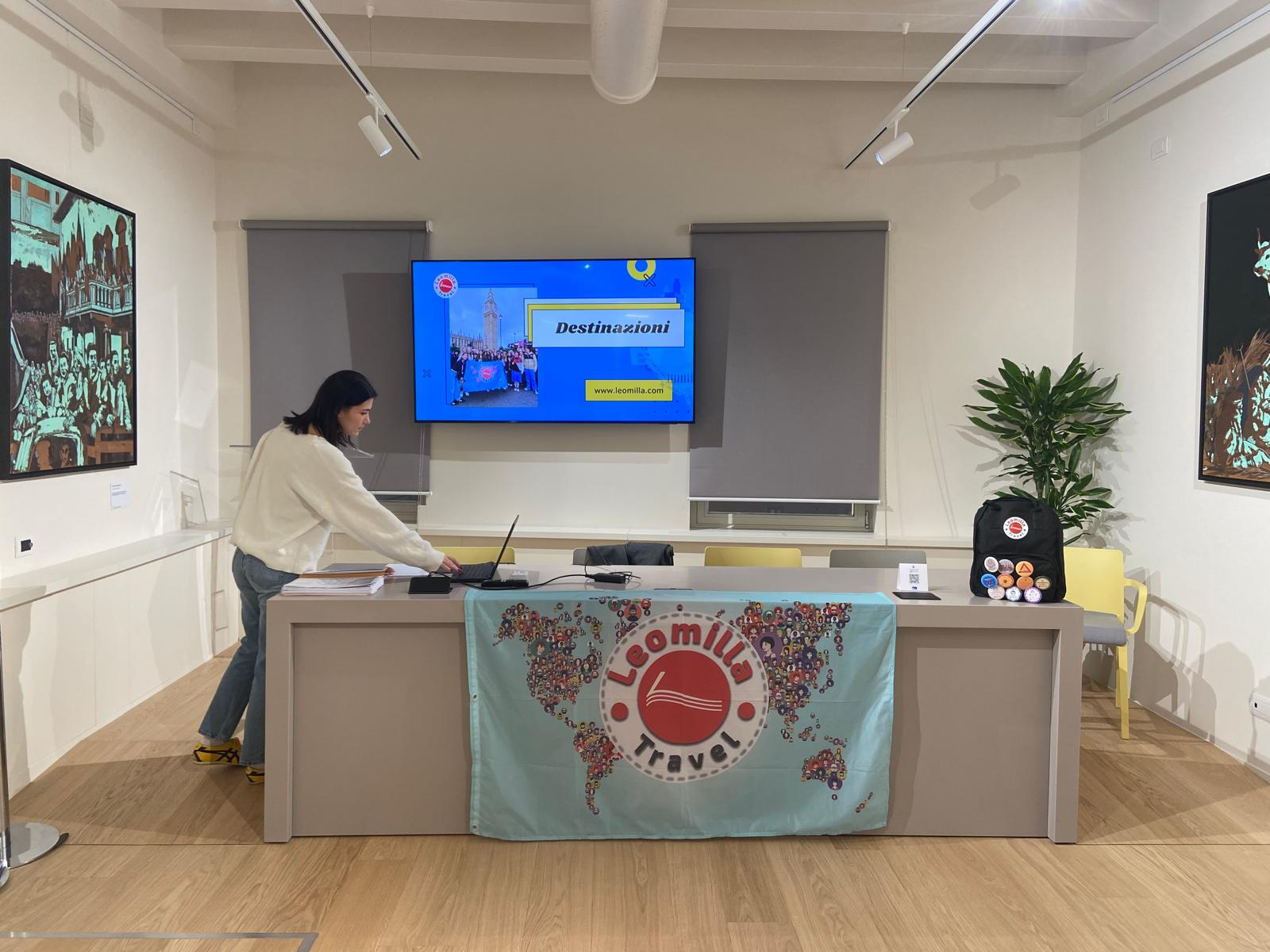
We are based in Tuscany, but our work is international. We collaborate with schools, teachers, educational agencies, universities, families and organisations from different countries.
Our programmes can be adapted to the people who are actually coming — rather than expecting every group to fit exactly into the same model.
That means listening first.
Understanding the group.
Then building the experience around its educational objectives, interests and practical needs.
It may sound less spectacular than a large international operation.
But perhaps, in education, that is not necessarily a disadvantage.
Sometimes the most important things are the ones that are less visible:
A teacher who answers the phone.
A coordinator who knows the group.
A local partner who can be trusted.
A student who feels safe enough to ask for help.
A programme that can change when circumstances require it.
And a school that is still there when the experience is over.
Looking ahead
International education will continue to change.
There will be new regulations, new destinations, new expectations from students and families, new technologies and new ways of learning.
Some organisations will grow. Others will change direction.
What should remain constant is the reason why students travel in the first place:
to learn, to discover, to communicate and to experience something they could not experience at home.
For us, this is what Esperienza Toscana represents.
Not simply a language course in Italy.
Not simply a trip.
But an opportunity to learn through a place, a culture and the people who live there.
And perhaps this is where the future of international education lies:
not necessarily in being bigger, but in being closer.
Esperienza Toscana – Learn the language. Experience Italy.
Accademia Leomilla welcomes schools, teachers, group leaders, universities, educational agencies, international partners and organisations interested in developing language, cultural and educational programmes in Tuscany.
If you are looking for a programme in which education, local experience and personal support are genuinely connected, we would be happy to hear from you.
info@leomilla.com
Accademia Leomilla
Castelfiorentino